Table Of Contents
Professional Installation Options
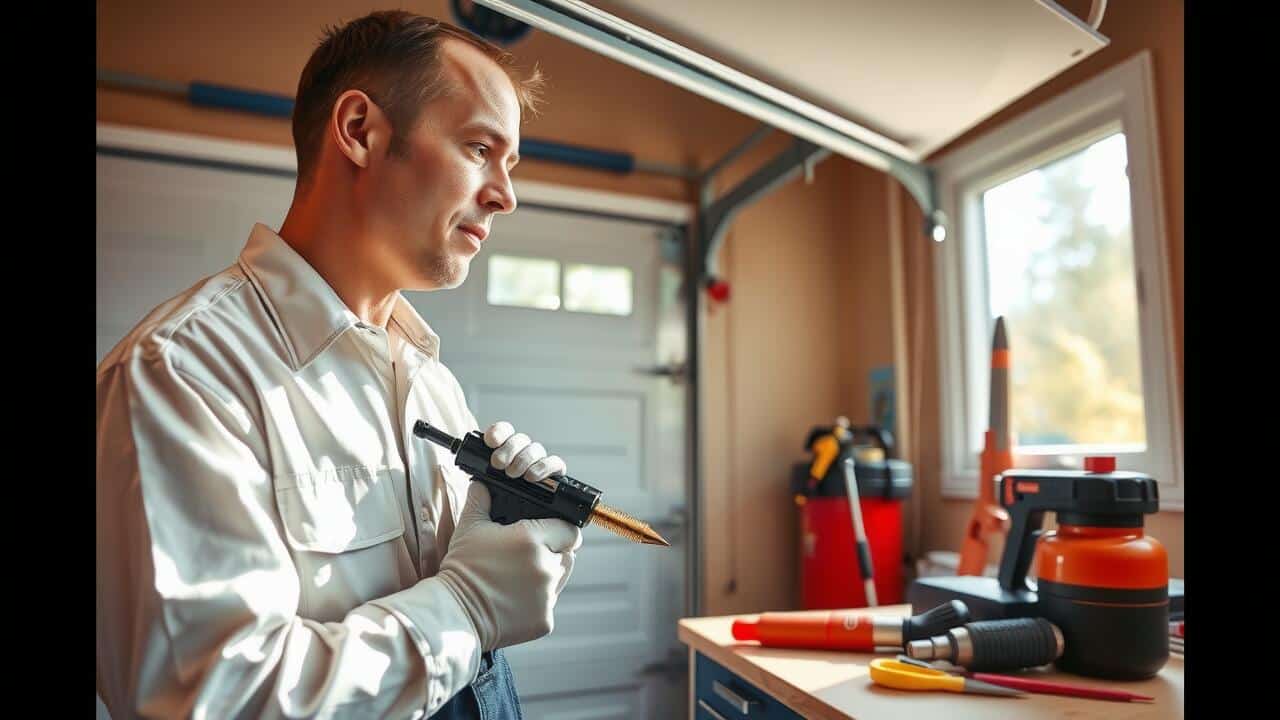
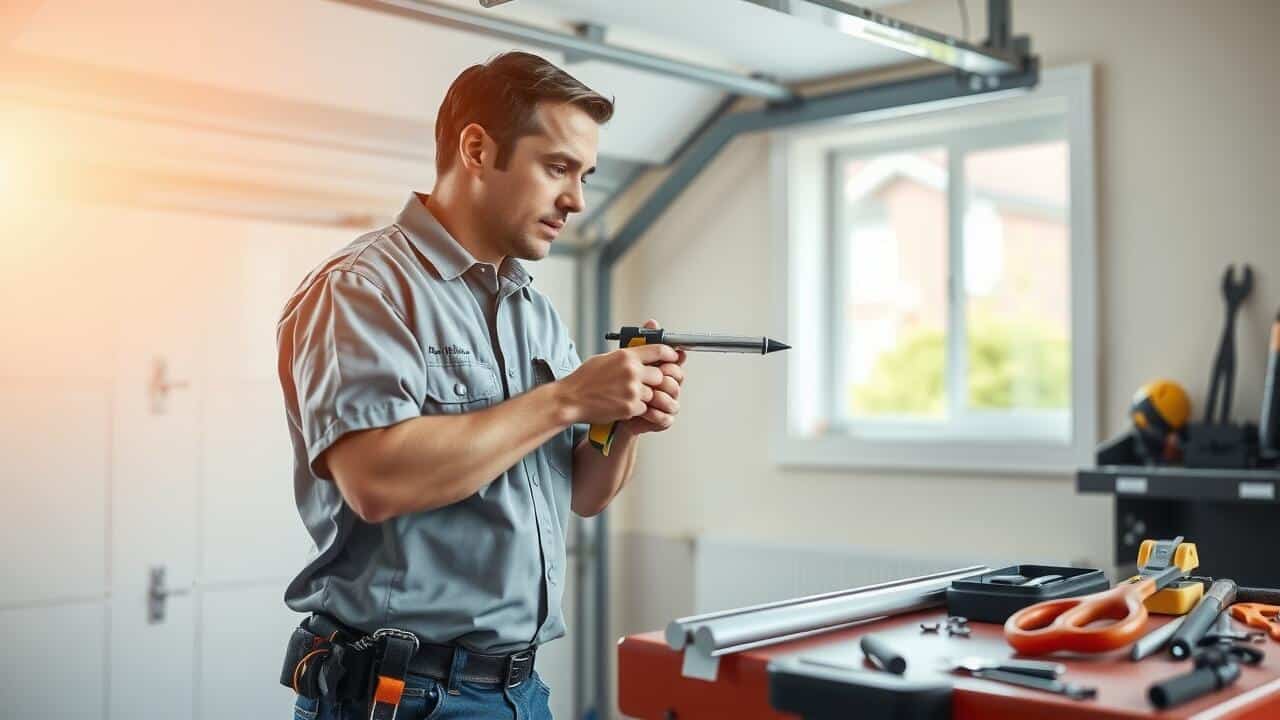
Professional installation of garage door seals ensures that the right materials and techniques are used to achieve optimal results. Experienced technicians bring a wealth of knowledge about the various types of seal options available, such as vinyl or rubber weather stripping. They can assess the specific needs of your garage door based on its dimensions and the environmental conditions of your area. Garage Door Weather Stripping Installation in a climate-prone region may be particularly important to prevent water and cold air from infiltrating, which can lead to greater energy loss.
Hiring a professional can also save you time and possible frustration from a DIY approach that may not yield the desired results. Technicians are equipped with the proper tools and expertise to make precise measurements and adjustments, ensuring a snug fit that enhances the door’s functionality. Additionally, many installers offer warranties on their work, providing peace of mind along with the assurance that your investment will be protected. Whether it’s a new garage door installation or replacing an old seal, seeking out professional assistance can prove to be a valuable choice.
When to Hire a Garage Door Expert
In many cases, homeowners may find themselves questioning whether they can tackle the installation of weather stripping on their garage door. If you notice significant gaps beneath the door or if your existing seal is cracked and worn, it might be time to consider professional help. A qualified garage door expert can assess your specific situation and recommend the best type of seal or stripping suitable for your door. This ensures a proper fit and effective sealing against drafts, pests, and moisture, which DIY efforts might not achieve.
Garage door weather stripping installation in older models or complex systems can present additional challenges. Factors such as the door’s size, weight, and material may require specialized knowledge and tools that the average homeowner lacks. Hiring a professional not only guarantees a more reliable installation but also saves time and effort. Their expertise often leads to a longer-lasting seal, keeping your garage insulated and protected from the elements.
Maintenance of Garage Door Seals
Regular maintenance of garage door seals is crucial for ensuring proper insulation and protection against the elements. Check the seals for any signs of wear and tear, such as cracks or gaps, which can compromise their effectiveness. Cleaning the seals with mild soap and water can help remove debris and dirt that may prevent a proper seal. Lubricating the working parts of the seal can also extend its lifespan, keeping it flexible and functional.
For those considering Garage Door Weather Stripping Installation in their homes, it is essential to select the right type of weather stripping material based on your specific needs. Options include vinyl, rubber, and silicone, each providing varying degrees of durability and insulation. Proper installation will ensure a tight fit that minimizes air leaks and enhances energy efficiency. Always follow the manufacturer’s guidelines or consult with a professional for the best results.
Tips for Extending the Life of Your Seal
To extend the life of your garage door seal, regular maintenance plays a crucial role. Clean the seal frequently to remove dirt, debris, and grime that can hinder its effectiveness. Use a gentle detergent and a soft brush to avoid damaging the material. Checking for any visible wear, cracks, or gaps periodically allows you to address minor issues before they become major problems. Ensuring that the seal sits flush against the door can also prevent unnecessary wear and tear.
Garage Door Weather Stripping Installation in regions with extreme weather conditions should consider the right materials. High-quality rubber or vinyl seals can withstand fluctuations in temperature better than cheaper alternatives. Inspect the alignment of your garage door to ensure it opens and closes smoothly, reducing the strain on the seal. Proper sealing not only extends the life of the weather stripping but also enhances your home’s energy efficiency by keeping the elements outside.
Troubleshooting Seal Issues
When encountering issues with your garage door seal, it’s important to identify the specific problem before taking action. Common issues include gaps that allow cold air or moisture to enter, fraying or tearing at the seal, or simply wear and tear over time. Inspect the entire length of the seal for any visible damage, and ensure that it aligns properly with the door when closed. If you notice significant deterioration, it may be time for a replacement.
Garage Door Weather Stripping Installation in your garage can be an effective solution to these problems. Choosing the right type of weather stripping material—such as rubber or vinyl—can enhance the seal’s effectiveness. Keep an eye on the installation as well, ensuring it is done correctly to avoid further issues. Regular checks and maintenance can prolong the life of the seal and keep your garage protected from the elements.
Common Problems and Their Solutions
Common issues with garage door seals often arise from wear and tear over time. A typical problem is the accumulation of dirt and debris, which can affect the seal’s ability to close tightly. This can lead to drafts, pests, and moisture infiltration. Regular cleaning of both the seal and its surface can help alleviate these issues. If the seal shows signs of significant damage like cracks or tears, replacement may be necessary.
For effective repairs, Garage Door Weather Stripping Installation in various styles can help restore the door’s function. Different materials provide varying levels of durability and insulation, so selecting the appropriate type based on your local climate is essential for optimal performance. Homeowners should inspect their seals periodically to catch problems early, ensuring a reliable barrier against the elements.
FAQS
What materials are best for sealing the bottom of a garage door?
The best materials for sealing the bottom of a garage door include rubber or vinyl weatherstripping, which provide flexibility and durability against the elements.
How often should I check the seal on my garage door?
It’s advisable to check the seal on your garage door at least twice a year, especially before the winter and rainy seasons, to ensure it’s intact and functioning properly.
Can I install a garage door seal myself?
Yes, many homeowners can install a garage door seal themselves by following manufacturer instructions. However, if you’re unsure or uncomfortable, it’s best to hire a professional.
What are the signs that my garage door seal needs replacing?
Signs that your garage door seal needs replacing include visible cracks or tears, gaps between the seal and the ground, or excessive water or debris entering the garage.
Is it necessary to hire a garage door expert for seal installation?
While it’s not strictly necessary, hiring a garage door expert can ensure proper installation and potentially extend the lifespan of the seal, especially for complex setups or if you’re facing persistent issues.