Table Of Contents
Maintenance Expenses for Electric Fences
Maintenance expenses for electric fences can vary depending on the type and complexity of the system. Regular maintenance is essential to ensure proper functioning and longevity. Routine checks often include inspecting the power source, testing the voltage, and examining fencing components for wear or damage. Additionally, seasonal weather conditions can impact the integrity of the fence, prompting the need for repairs or adjustments periodically.
After electric fence installation in your property, budgeting for ongoing maintenance is crucial. Simple repairs may be manageable by property owners, but more complex issues might require professional assistance. Over time, components such as insulators, wiring, and energizers may need replacement, which can add to the maintenance costs. Keeping a proactive maintenance schedule helps prevent unexpected expenses that could arise from neglecting the system.
Routine Checks and Repairs
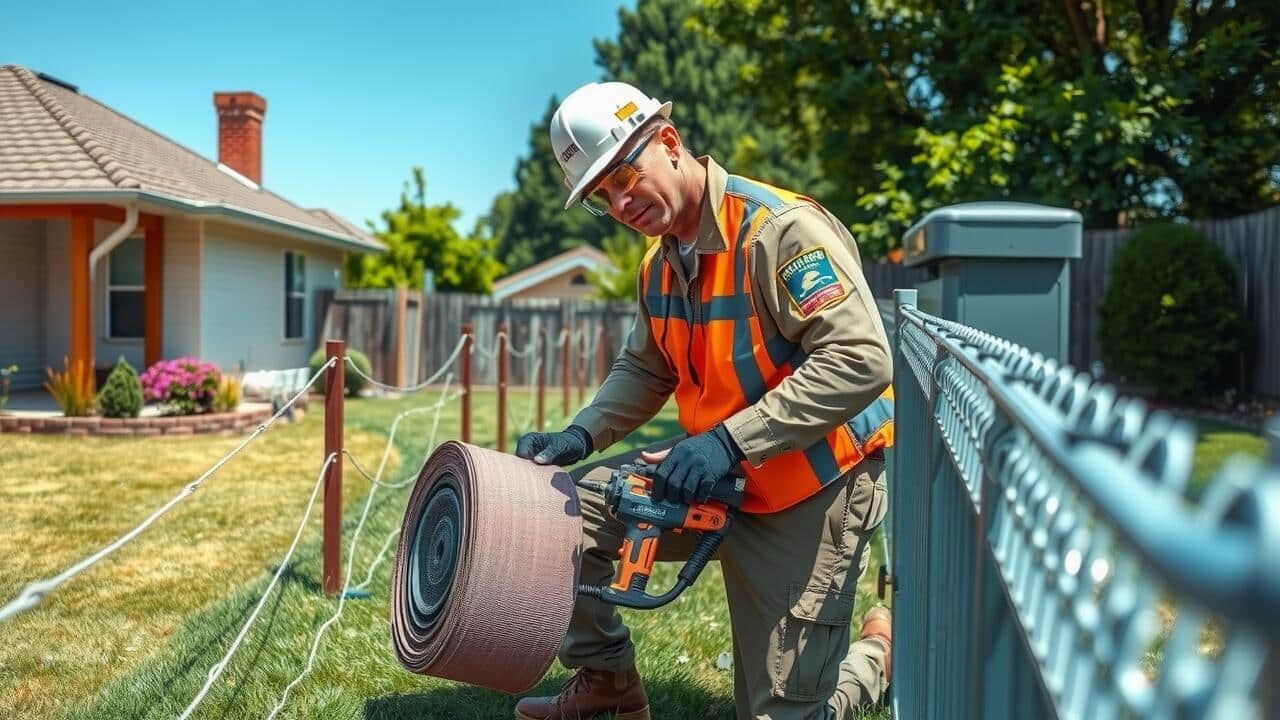
Routine checks and repairs are essential to ensure the effectiveness and longevity of your electric fence. Regular inspection allows you to identify potential issues such as damaged wiring, malfunctioning energizers, or vegetation encroachment. These checks help maintain the proper functionality of the system and prevent costly repairs down the line. Setting a schedule for routine maintenance can save you from unexpected problems and keep your fence operating efficiently.
For those considering Electric Fence Installation in sensitive areas such as agricultural settings or residential properties, keeping the system in good repair is vital. Neglecting routine maintenance may lead to ineffective barriers, which can result in unwanted wildlife intrusions or breaches by domestic animals. Engaging a professional service for periodic inspections can ensure that the fence remains reliable and compliant with local standards.
Additional Features That Impact Installation Price
When considering electric fence installation in residential or commercial properties, various additional features can significantly influence the overall price. Upgrading to high-tensile wire, installing more robust fence posts, or incorporating advanced sensors adds both durability and security. These enhancements often require specialized skills for installation, which can further elevate labor costs. Customized lighting options that sync with the fence system can also contribute to the final expense, creating an efficient yet secure perimeter.
Another factor to consider is the integration of solar panels or a battery backup system to ensure uninterrupted functionality. These renewable energy solutions not only provide power but can also lead to long-term savings on electricity bills. However, the initial investment for these systems can be substantial, impacting the upfront installation price. Ensuring that all additional features meet local regulations and codes will also factor into the final cost of electric fence installation in your area.
Solar Panels and Battery Backup
Incorporating solar panels and battery backup systems into electric fence installation in various locations can significantly enhance the fence’s functionality and reliability. These features are particularly beneficial in remote areas where access to electricity is limited. Solar power provides a sustainable energy source, allowing the electric fence to operate continuously without relying on the grid. This independence not only ensures that the fence remains active during power outages but also reduces overall operational costs in the long run.
The initial investment for solar panels and battery backups can increase the overall cost of electric fence installation in urban and rural settings. However, many property owners find that this expense is justified by the added convenience and security. Proper installation and maintenance of these systems can lead to long-term savings and increased peace of mind, knowing the perimeter remains secure regardless of power availability.
Permit and Inspection Fees
When considering electric fence installation in your area, it’s crucial to factor in permit and inspection fees. Local regulations often require homeowners to obtain specific permits before beginning installation. These fees can vary significantly based on jurisdiction, making it essential to research the requirements in your locality. Failure to secure the necessary permits may result in fines or the requirement to dismantle the fence once installed.
Inspection fees can also contribute to the overall cost of electric fence installation in residential or commercial properties. Some municipalities mandate inspections to ensure that the installation meets safety and compliance standards. Having an inspector assess the work can ensure that your fence operates correctly and adheres to local codes, ultimately providing peace of mind about the safety of your property.
Local Regulations and Compliance
Local regulations for electric fence installation in many areas vary significantly. Homeowners should start by checking with local government offices or zoning boards to understand specific requirements. Some municipalities may impose restrictions on the voltage used or the height of the fence. Compliance with these regulations ensures not only the legality of the installation but also the safety of both the property and surrounding areas.
Permits are often required for electric fence installation in densely populated regions. These permits may involve a fee and the submission of detailed plans. Additionally, inspections may be mandated to verify adherence to safety standards and local codes. It is crucial for property owners to navigate these requirements early in the planning process to avoid delays and potential fines.
FAQS
What is the average cost of installing an electric fence?
The average cost of installing an electric fence can range from $1,500 to $3,000, depending on the length of the fence, the type of materials used, and additional features.
Are there ongoing maintenance costs for electric fences?
Yes, there are ongoing maintenance costs for electric fences, which may include routine checks, repairs, and potential replacement of parts like batteries or solar panels.
Do I need a permit to install an electric fence?
In most areas, you may need a permit to install an electric fence, so it’s essential to check local regulations and compliance requirements before proceeding.
How do additional features affect the installation price of an electric fence?
Additional features such as solar panels, battery backup systems, and advanced monitoring technology can significantly increase the installation price, so it’s important to factor these into your budget.
What routine checks should I perform on my electric fence?
Routine checks should include inspecting the fence line for damage, testing the energizer to ensure it is functioning properly, and checking for overgrowth of vegetation that may interfere with the fence’s operation.