Table Of Contents
Steps to Replace Your Garage Door Opener
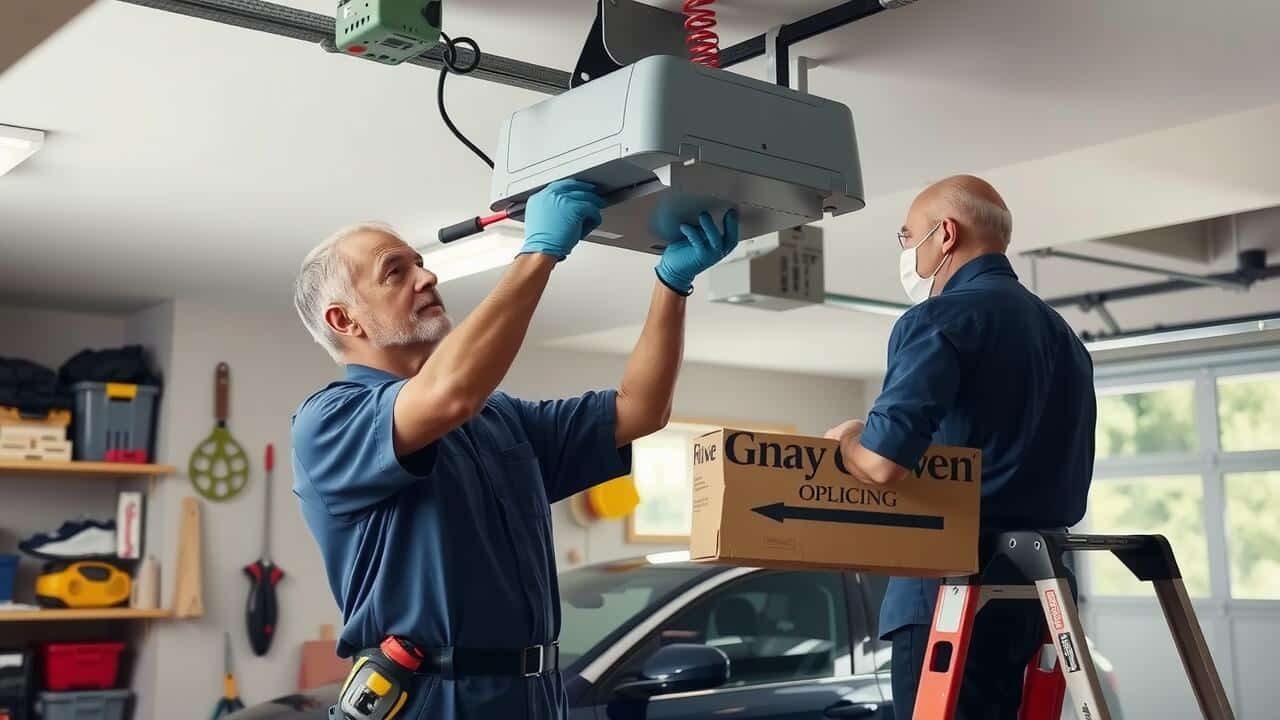
Replacing a garage door opener can seem daunting, but with the right approach, it becomes a manageable task. Begin by disconnecting the power supply to the opener to ensure safety. Remove the existing opener from the mounting brackets and detach the trolley from the door arm. Keep all components organized so that reassembly is straightforward once the new opener is in place.
Next, install the new garage door opener by securing it to the mounting brackets. Follow the manufacturer’s instructions for attaching the opener’s arm to the garage door. Connect the power supply and test the new setup for functionality. Completing the garage door opener replacement in a systematic manner will enhance your confidence and ensure that the door operates smoothly.
Tools and Materials Required for the Task
To successfully accomplish a garage door opener replacement, it’s essential to gather the right tools and materials. You’ll need a socket set, screwdrivers, and pliers for disassembly and installation. A ladder can be useful, especially if your opener is mounted higher. Additionally, consider having safety glasses and work gloves on hand to protect yourself during the process.
When it comes to materials, a new garage door opener unit tailored to your door’s specifications is critical. You should also have appropriate mounting hardware, such as screws and anchors, which may be included with the new opener. If you’re not reusing the old remote controls, you might want to purchase additional remotes or a keypad for keyless entry. Preparation is vital for efficient garage door opener replacement in your home.
Compatibility Considerations When Replacing an Opener
When considering a garage door opener replacement, it’s essential to ensure compatibility with your existing hardware. Different openers may vary in size, power, and functionality, which could impact how well they integrate with your current system. Carefully review the specifications of your current opener and the new model to verify that they match, particularly concerning the drive type and lifting capacity. Manufacturers typically provide guidelines on compatibility, making it easier to find an appropriate replacement.
Another important factor is the track configuration. Your existing track system is designed to accommodate specific types of openers. If the new opener does not align with the track or the mechanisms involved, it can lead to operational issues or even damage. Therefore, conducting a garage door opener replacement in conjunction with checking track specifications can save time and potential complications during installation. Be sure to measure the track length and verify any compatibility notes from the manufacturer regarding the opener’s installation.
Ensuring Your New Opener Works with Existing Tracks
When considering a garage door opener replacement in your existing setup, it is crucial to ensure compatibility with your current tracks. Most modern openers are designed to work with standard track systems, but variations between brands and models can create issues. Before purchasing a new opener, verify that its specifications align with the requirements of your garage door’s track. This includes checking the weight capacity and any unique features your existing system may possess.
Additionally, some openers come with adjustable settings that allow them to function smoothly with various types of tracks. It’s advisable to consult the manufacturer’s guidelines or seek advice from professionals to confirm that the new opener will integrate seamlessly with your current hardware. Taking these steps can save time and prevent unnecessary complications during the installation process, ensuring your garage door operates correctly after the replacement.
Safety Precautions During Replacement
When undertaking a garage door opener replacement, safety should always be a top priority. Before beginning the installation process, disconnect the power supply to the existing opener to prevent any accidental activation during the work. It’s also important to secure the garage door in its closed position to avoid it falling unexpectedly while you are handling the opener. Ensuring that the area is clear of any obstacles will help create a safer workspace as well.
Using the right safety gear can mitigate potential hazards during the project. Wearing gloves can protect your hands from sharp edges, while safety goggles shield your eyes from debris that may arise during installation. Additionally, if you are using a ladder to reach higher components, make sure it is stable and positioned correctly. Taking these precautions will promote a safer environment for your garage door opener replacement in any setting.
Tips for a Safe and Effective Installation
When tackling a garage door opener replacement, safety should always be a priority. Start by disconnecting the power supply to avoid any accidental activation of the garage door during the installation process. Make sure to have a sturdy ladder to gain access to the opener, and keep your workspace tidy to prevent any tripping hazards. Wearing gloves and safety glasses can further protect you from any unexpected debris or moving parts.
As you proceed with the installation, double-check that all components are compatible and securely fastened. Take the time to carefully follow the manufacturer’s instructions for the specific model being installed. A proper alignment of the opener with the existing tracks is crucial for smooth operation. During the garage door opener replacement in your home, avoid rushing through the steps to ensure that every part is correctly positioned and functioning as intended.
FAQS
Can I replace my garage door opener without having to change the tracks?
Yes, it is possible to replace your garage door opener without changing the tracks, provided that the new opener is compatible with your existing track system.
How do I know if my new garage door opener is compatible with my current tracks?
Check the specifications of the new opener to ensure it matches the type and size of your existing tracks. Most manufacturers provide compatibility information in the product details.
What tools do I need to replace my garage door opener?
Common tools required include a socket wrench, screwdriver, level, and possibly a ladder, depending on the height of your garage door system.
Are there safety precautions I should take before replacing my garage door opener?
Yes, always disconnect the power to the garage door opener before starting the replacement. Make sure to wear safety goggles and gloves to protect yourself during the installation process.
If I encounter issues after installing the new opener, what should I do?
Check all connections to ensure everything is properly installed. If problems persist, refer to the manufacturer’s troubleshooting guide or contact a professional for assistance.
