Table Of Contents
Step-by-Step Guide to Installing Gutters
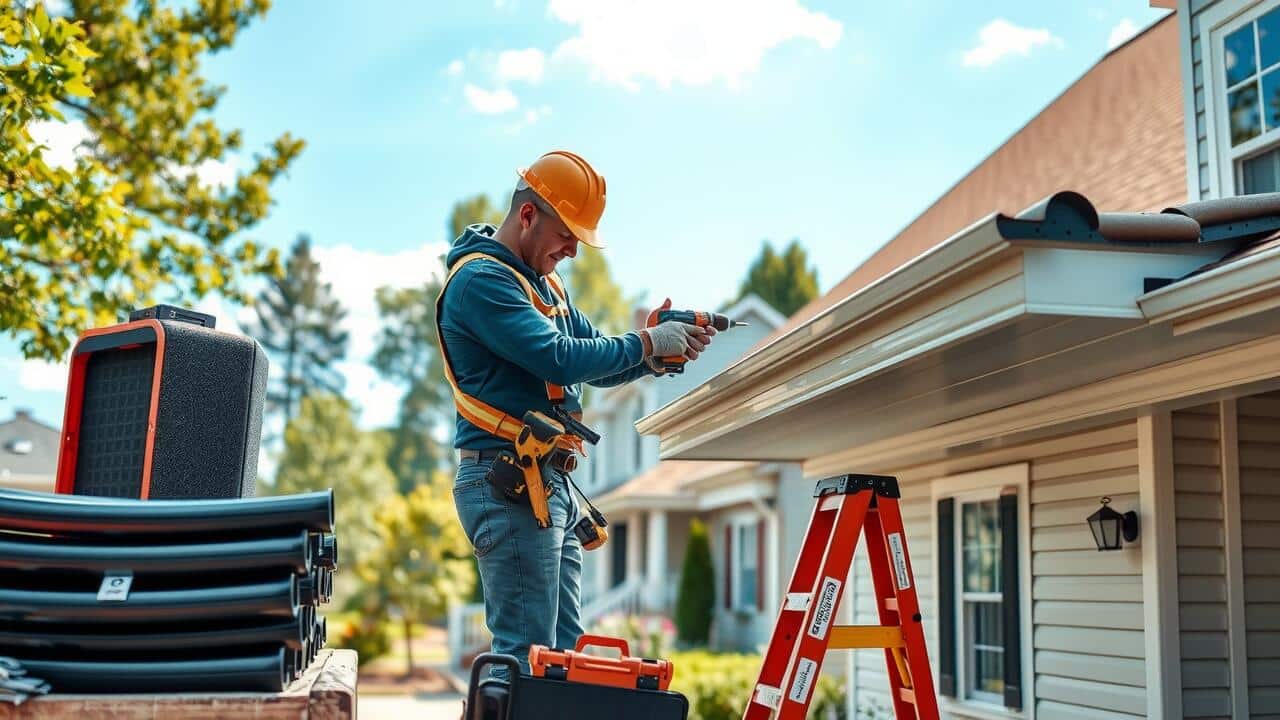
When considering gutter installation, start by gathering all necessary tools and materials. You will need gutters, downspouts, brackets, a level, a saw, a drill, and safety equipment. Before installation, measure the length of the roof’s edge to determine how much gutter material is needed. Research local services for “Gutter Installation near me” to compare prices and options, or choose to purchase materials from a home improvement store.
Next, mount the brackets along the eaves of your roof. Space them evenly, making sure they align with the slope you plan to create for effective water flow. Cut the gutters to the appropriate lengths and connect them at the corners using the provided connectors. Secure the downspouts to direct water away from the foundation. Test the system by running water through the gutters once installed. This helps ensure everything drains correctly and that there are no leaks or blockages.
Detailed Installation Process
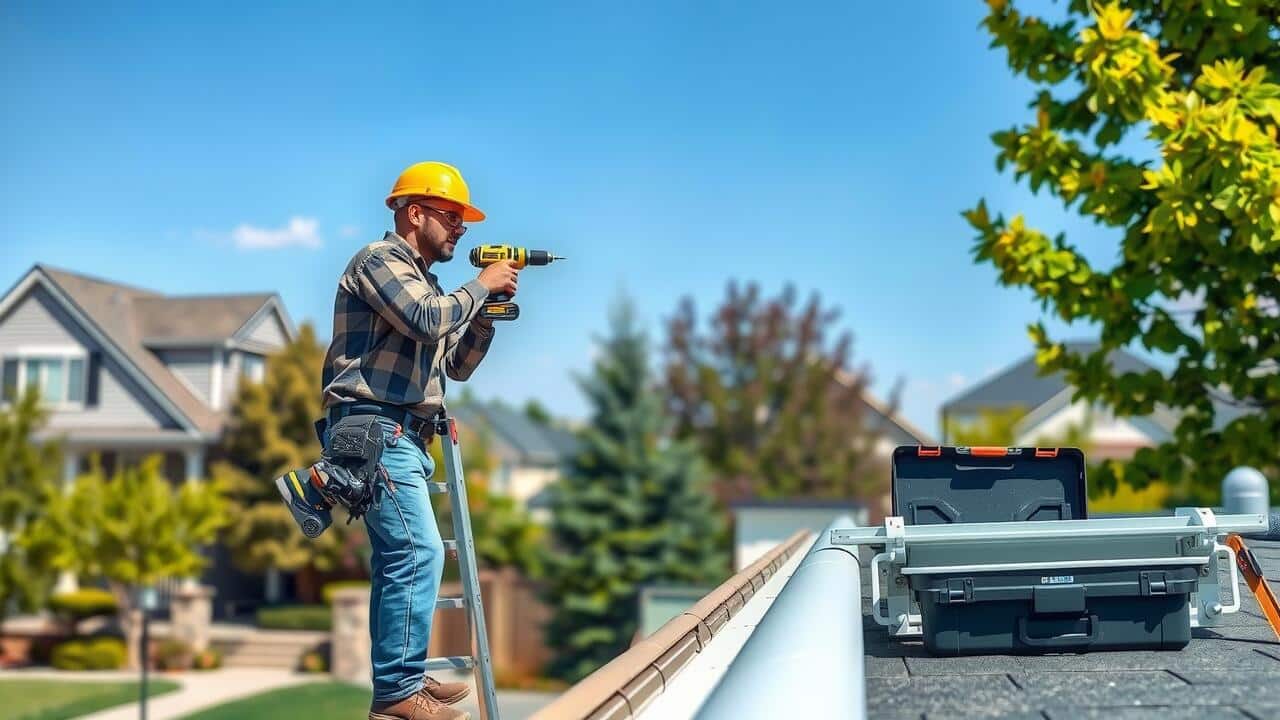
Before starting the installation process, gather all necessary tools and materials. You will need a level, measuring tape, a ladder, a miter saw, and, of course, the gutters themselves. Begin by measuring the areas along the roofline where the gutters will go. Precise measurements are crucial for cutting the gutters to the correct lengths. If you’re unsure about doing this alone, consider searching for “Gutter Installation near me” to find local professionals who can assist or provide guidance.
Once the gutters are cut to size, attach the hangers at regular intervals along the length. Ensure the hangers are securely fastened and level to guarantee proper water flow. Start placing the gutters on the hangers, making adjustments as needed to maintain an adequate slope towards the downspouts. After securing the gutters, it’s important to check everything for alignment and stability. This step ensures that your gutter system will function effectively and efficiently during rainstorms.
Common Mistakes to Avoid
One common mistake during gutter installation is incorrect measuring. Accurate measurements are crucial for ensuring that the gutters fit properly along the roofline. Many DIYers underestimate the importance of precise calculations, leading to ill-fitting sections that can result in leaks or water overflow. Before beginning the installation process, take the time to measure twice and cut once. This extra attention to detail can save time and money in the long run.
Another frequent error involves neglecting to check local regulations and building codes. Installers often assume they can proceed without permits or adhering to specific guidelines. Failing to do so might result in fines or the need to redo the work later. Before embarking on your project, consider searching for “Gutter Installation near me” to ensure you’re familiar with any local requirements for your area.
Troubleshooting During Installation
During gutter installation, it’s not uncommon to encounter issues that may hinder progress. One frequent problem is misaligned gutters. Ensure that each section is level and slopes slightly towards the downspouts. Use a level to check alignment continuously as you work. If you notice sagging in certain areas, it can be helpful to adjust your hangers or add additional support brackets to maintain proper flow and prevent water pooling.
If you find yourself struggling with sealing joints, reconsider the type of sealant you’re using. A high-quality gutter sealant will ensure that connections remain watertight. Additionally, if leaks occur after installation, pay attention to the placement of screws and ensure they are not compromising the integrity of the gutter. For those feeling uncertain about their skills, searching for “Gutter Installation near me” can provide access to professional help that can alleviate these concerns.
Maintenance Tips for Installed Gutters
Regular maintenance of your gutters is essential for ensuring their longevity and efficiency. Start by inspecting them at least twice a year. Check for any debris accumulation, which can cause water to back up and potentially damage your roof and foundation. Clean the gutters and downspouts to facilitate proper water flow. It’s also a good idea to examine the seams for leaks and to ensure the hangers are secure.
Consider scheduling professional assistance if you notice any significant issues during your inspections. Many homeowners search for “Gutter Installation near me” when looking for local services that can help with repairs or upgrades. Keeping gutters in good shape will not only ward off potential problems but also protect your home from water damage. Regular check-ups will secure your investment and make your home safer and more efficient.
Ensuring Long-Term Performance
Regular maintenance is crucial for ensuring the long-term performance of your gutters. Clean out debris such as leaves and twigs at least twice a year. This task helps prevent clogs and water overflow, protecting your roof and foundation from potential damage. Inspect the gutters and downspouts for any signs of wear or rust. Prompt repairs can extend the life of your gutter system.
Consider professional assistance for gutter installation near me if you’re uncertain about your DIY skills. Experienced installers can provide valuable insights into optimal placement and appropriate materials. Their expertise can minimize common issues, making your gutter system more effective in managing water flow. Regular inspections after installation will help maintain their efficiency while also safeguarding your home.
FAQS
Can I install gutters by myself if I have no prior experience?
Yes, you can install gutters yourself even without prior experience. However, it’s important to follow a step-by-step guide and take your time to ensure proper installation.
What tools do I need to install gutters?
Common tools needed for gutter installation include a ladder, measuring tape, level, saw, drill, and safety gear like gloves and goggles.
How long does it typically take to install gutters?
The time it takes to install gutters can vary based on the size of your home and your skill level, but it usually takes a few hours to a full day.
What are some common mistakes to avoid when installing gutters?
Some common mistakes include not measuring accurately, failing to pitch the gutters for proper water flow, and neglecting to secure them properly.
How can I ensure my installed gutters perform well over time?
To ensure long-term performance, regularly clean your gutters, check for leaks, and inspect the system for any damage or blockages.