Table Of Contents
DIY vs. Professional Gutter Inspections
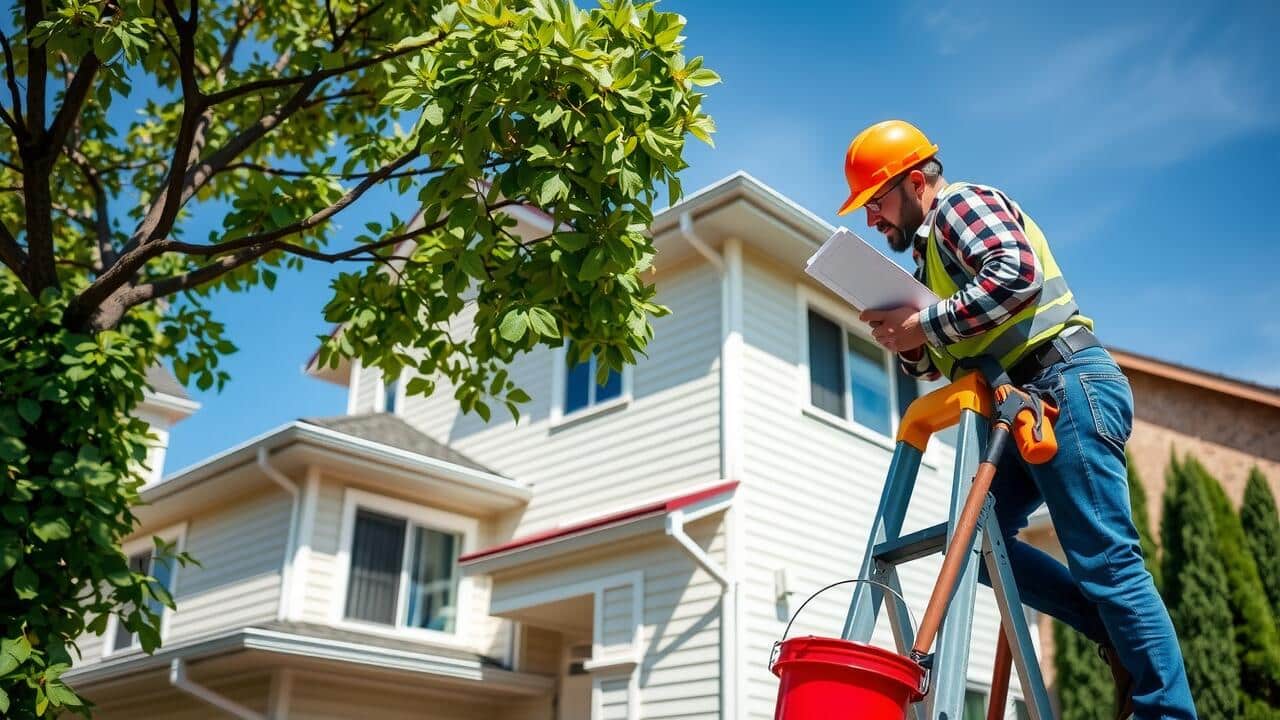
Many homeowners choose to conduct their own gutter inspection in an effort to save money and gain a better understanding of their home’s exterior. A DIY approach allows for flexibility in scheduling and can give individuals the chance to learn more about their home’s drainage system. Simple tools like a ladder and a trowel can be sufficient for checking for blockages, damages, and misalignments. Homeowners can take this time to clear away leaves and debris, ensuring gutters function effectively.
However, professional gutter inspections offer expertise that can be hard to replicate. Trained inspectors utilize specialized tools and have a comprehensive understanding of potential problems. Their experience allows them to identify issues that might go unnoticed by an untrained eye, such as structural concerns or hidden wear. Opting for a professional service can provide added peace of mind, ensuring that the gutter system is thoroughly evaluated and maintained.
Weighing the Pros and Cons
When considering Gutter Inspection in a DIY context, homeowners can save money by handling the process themselves. This approach allows individuals to gain firsthand knowledge about their gutter systems and catch potential issues early. With a little research and the right tools, many find they can complete a basic inspection without professional help.
On the other hand, hiring a professional for Gutter Inspection in a home offers several advantages. Experts bring experience and specialized knowledge, enabling them to identify problems that an untrained eye might miss. They also have access to advanced equipment, ensuring a more thorough evaluation. This can save time and provide greater peace of mind, as the inspection is conducted by someone well-versed in the unique challenges posed by various types of gutters.
Tools Used in Gutter Inspections
Gutter inspection in residential or commercial properties requires specific tools to ensure a comprehensive evaluation. Inspectors often use ladders to access rooftops and gutters safely. A reliable step ladder or extension ladder allows for better visibility and reach. Additionally, a trowel is a practical tool for removing debris that can obstruct water flow, making it easier to assess the condition of the gutters.
In more advanced situations, inspectors may employ digital cameras or drones to capture images of hard-to-reach areas. These tools provide a detailed view of the gutters’ integrity without risking personal safety. A moisture meter can also be useful during a gutter inspection in identifying problem areas where water might be pooling. Having the right equipment allows for a thorough examination, helping to identify potential issues before they become severe.
Essential Equipment for Thorough Evaluations
Effective gutter inspection in both residential and commercial settings requires specific tools to ensure a thorough evaluation. A ladder is essential for accessing high areas safely, allowing the inspector to observe and evaluate the gutters closely. Additionally, a trowel or scoop can be useful for clearing out debris from the gutters, ensuring that the flow of water can be accurately assessed. A flashlight may also be brought along to illuminate darker areas, making the inspection process more thorough.
Furthermore, a garden hose is an important tool for testing the drainage efficiency of the entire gutter system. By running water through the gutters, inspectors can identify leaks or blockages that may not be visible with just a visual inspection. A camera or smartphone can aid in capturing images of problem areas, facilitating communication with property owners about necessary repairs. Each piece of equipment contributes to a comprehensive gutter inspection in order to maintain the integrity of the property.
What Inspectors Look For
During a gutter inspection in residential properties, inspectors pay close attention to several key factors. They examine the overall integrity of the gutters, looking for signs of rust, corrosion, or other deteriorations that could compromise functionality. Blockages caused by leaves, twigs, or debris also receive scrutiny, as these can lead to water overflows and potential damage to the property’s foundation.
Another important aspect involves assessing the pitch and alignment of the gutters. Gutter systems must have a slight slope to ensure proper drainage. Inspectors evaluate whether the gutters are sagging or improperly installed, which can impede water flow. Additionally, they look for any signs of leaks or water stains that might indicate underlying issues, ensuring that homeowners are informed of potential problems before they escalate.
Key Factors Evaluated During the Process
During a gutter inspection, professionals assess several critical factors to determine the overall health and functionality of the gutter system. They check for debris buildup, which can impede water flow and lead to overflow. Inspectors also examine the alignment and slope of gutters, ensuring they direct water efficiently toward downspouts. Any signs of rust, distortion, or deterioration are noted, as these issues can compromise the integrity of the system.
Another important aspect of the inspection is the examination of gutter hangers and attachments. Inspectors look for loose or damaged components that could affect the stability of the gutters. Additionally, potential leaks are identified, with special attention paid to the seams and joints. A thorough gutter inspection in residential or commercial settings helps homeowners and property managers address issues early and maintain effective drainage systems.
FAQS
What is a gutter inspection?
A gutter inspection is a thorough evaluation of a home’s gutters to check for clogs, damage, and proper functionality, ensuring that rainwater is effectively redirected away from the structure.
How often should I have my gutters inspected?
It is recommended to have your gutters inspected at least twice a year, typically in the spring and fall, to ensure they are clear of debris and functioning properly.
Can I perform a gutter inspection myself?
Yes, homeowners can perform a DIY gutter inspection using basic tools. However, hiring a professional may be beneficial for a more thorough evaluation, especially if you’re uncomfortable with heights or lack the necessary tools.
What tools are commonly used during a gutter inspection?
Common tools used during a gutter inspection include ladders, gloves, a garden trowel or scoop for removing debris, a hose to test water flow, and safety goggles for protection.
What are the signs that indicate my gutters need inspection?
Signs that may indicate a need for gutter inspection include water stains on the exterior walls, overflowing gutters, sagging or detached gutters, and the presence of mold or mildew near the foundation.