Table Of Contents
Fixing Dents and Bends in the Track
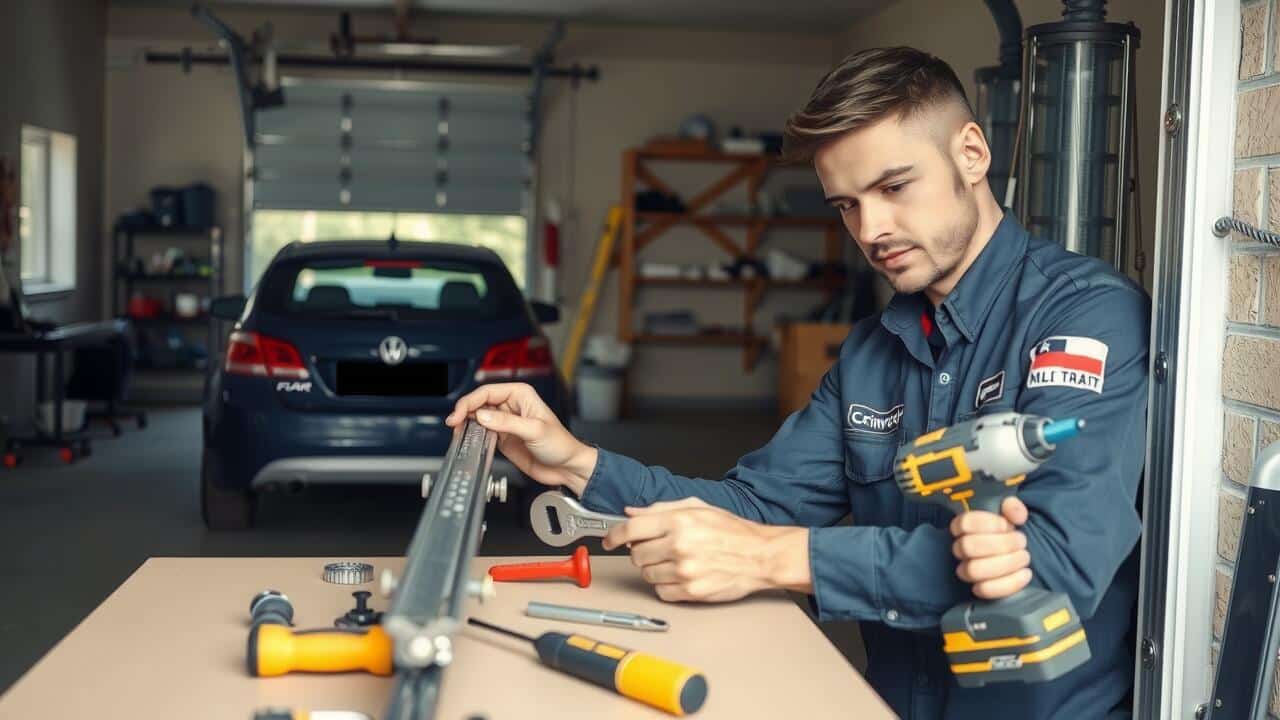
Dents and bends in a garage door track can interfere with the smooth operation of the door. It’s essential to address these issues promptly to avoid further damage. Start by inspecting the track carefully, looking for any noticeable bends or dents. If you find any, you can use a rubber mallet to gently tap the damaged area back into alignment. Protect the surrounding area with a cloth to prevent scratches. This can help restore the shape of the track without causing additional damage.
Additionally, if the track is severely bent, you may need to use a pair of pliers or a wrench to help pull it back into place. For more extensive damage, a track straightening tool can be beneficial. After making the adjustments, ensure that the track is both level and aligned. Regular maintenance, including garage door track repair in conjunction with proper lubrication, will enhance the longevity of your garage door system.
Techniques for Repairing Damaged Tracks
When addressing damage to your garage door track, it’s essential to assess the extent of the bends or dents. For minor bends, a gentle approach can often suffice. Begin by loosening the screws on the track support brackets. Use a rubber mallet to carefully tap the bent area back into alignment. Tightening the screws afterward ensures that the track remains in its corrected position. This method allows for a straightforward fix without needing extensive tools or replacement parts.
For more severe damage, you might consider using a pair of pliers to carefully reshape the track. After straightening, check for any obstructions or debris that may hinder the door’s movement. If the track remains in a compromised state, it might require more permanent Garage Door Track Repair in your local area. Professional services often have the expertise to replace significantly damaged sections, ensuring the garage door operates smoothly and efficiently.
Lubricating Garage Door Tracks
Regular lubrication of garage door tracks is essential for ensuring smooth operation and prolonging the life of your garage door system. A well-lubricated track minimizes friction, which can lead to wear and eventual malfunctions. To achieve optimal performance, focus on applying lubricant directly to the track, avoiding excessive use that might attract dirt and debris. Careful attention to corners and joints can also enhance movement, allowing the door to move seamlessly up and down.
Choosing the right lubricant is critical when maintaining garage door tracks. Silicone-based sprays are often recommended for their ability to repel moisture while providing lasting lubrication. Grease can also be effective, but it tends to attract dust and grime, potentially leading to more frequent maintenance needs. Therefore, for efficient garage door track repair in high-traffic areas or when facing persistent issues, a silicone option may be your best choice to ensure the tracks remain clean and functional.
Choosing the Right Lubricant for Smooth Operation
Selecting the correct lubricant for your garage door tracks is essential for ensuring smooth operation and longevity. Silicone-based sprays are often recommended as they provide excellent protection against moisture and dirt. These lubricants do not attract dust, which helps keep the tracks cleaner for extended periods. Garage door track repair in an environment exposed to extreme temperatures and humidity may require a more specialized lubricant designed to withstand such conditions.
In addition to silicone sprays, some homeowners prefer using lithium grease for its water resistance and ability to reduce friction. It’s important to apply the lubricant sparingly to avoid excessive buildup, which could lead to other issues such as attracting debris. Regular maintenance of the tracks with the right product can significantly enhance the performance and lifespan of your garage door system.
When to Replace Garage Door Tracks
Several factors can indicate when it is necessary to replace garage door tracks. If you notice significant bending or warping that cannot be repaired, this might compromise the door’s functionality. Visible rust or extensive wear may further suggest that the tracks have reached the end of their lifespan. Proper alignment is essential for smooth operation, and misalignment often results in the door sticking or binding, signaling a potential need for replacement.
Garage door track repair in these situations may not provide a long-term solution. Frequent jamming during operation can lead to safety hazards and further damage to the door mechanism. If repairs have been attempted multiple times and the issues persist, it may be more economical to invest in new tracks. Evaluating the consistency of your garage door’s performance can help determine whether replacement is the most effective course of action.
Signs That Replacement is Necessary
Identifying when a garage door track needs replacement is crucial for maintaining the functionality of your garage door system. If you notice significant bends, extensive rust, or if the track is separated from the wall, these are strong indicators that repair may no longer suffice. Additionally, if the door is misaligned and continues to derail despite attempts at realignment, replacement becomes necessary to ensure safety and efficiency.
Another clear sign that indicates urgent replacement is persistent noise during operation. If the garage door is unusually loud or struggles to open and close smoothly, this may suggest severe damage to the track. Garage Door Track Repair in such situations may not resolve the underlying issues, making it more practical to invest in replacing the entire track assembly instead.
FAQS
What tools do I need to fix my garage door track?
To fix your garage door track, you’ll typically need a socket set, a hammer, pliers, a level, and a lubricant like silicone spray or grease. If you’re repairing dents, a rubber mallet can also be helpful.
Can I repair a seriously bent garage door track myself?
If the track is severely bent or damaged, it may be best to consult a professional. Minor bends can often be fixed with a rubber mallet or by gently pulling the track back into shape, but extensive damage can compromise the door’s function and safety.
How often should I lubricate my garage door tracks?
It’s recommended to lubricate your garage door tracks every six months to ensure smooth operation. Regular maintenance helps prevent rust and keeps the door functioning properly.
What are the signs that I need to replace my garage door tracks?
Signs that replacement is necessary include persistent misalignment, excessive noise during operation, visible damage or severe bends, and if the door does not open or close smoothly.
Is it safe to operate my garage door if the track is damaged?
No, it is not safe to operate your garage door if the track is damaged. Doing so can lead to further damage or cause the door to fall, posing a risk of injury or property damage. It’s best to address the issue before using the door.