Table Of Contents
Local Electrical Codes and Regulations
Local electrical codes and regulations play a crucial role in ensuring safety and functionality when handling projects like Garage Door Opener Installation. These codes vary by region, and they dictate specific requirements regarding electrical wiring, circuit capacity, and grounding techniques. It is essential to consult local guidelines prior to beginning any installation to avoid potential hazards and ensure compliance with legal standards.
Adhering to electrical codes not only enhances safety but also facilitates inspections that may be required after installation. Failing to comply can lead to fines, complications in home insurance claims, or problems during future resale of the property. Understanding these regulations helps in making informed decisions about whether to undertake the Garage Door Opener Installation independently or to hire a professional electrician for assistance.
Importance of Compliance in Electrical Work
Compliance with local electrical codes is essential when undertaking any electrical work, including Garage Door Opener Installation. These regulations are put in place to ensure safety and proper functioning of electrical systems. Ignoring these codes can lead to hazards such as electrical fires or equipment malfunction. Homeowners should be aware that infractions can result in fines or the need for costly repairs down the line.
Moreover, non-compliance may affect homeowners during property inspections or when attempting to sell their home. Potential buyers often request evidence of compliant electrical work, especially for installations that impact safety and security. Properly adhering to local regulations during Garage Door Opener Installation not only safeguards the property but also enhances its market appeal.
Troubleshooting Common Garage Door Opener Issues
Several issues can occur with garage door openers, making it essential to troubleshoot effectively. A common problem involves the remote control not functioning properly. This might be due to dead batteries, interference from other electronic devices, or issues with the programming of the remote. Another frequent concern is the door not opening or closing completely. This malfunction can stem from misaligned sensors, obstructions on the track, or a faulty motor. Each of these problems requires careful inspection to determine the appropriate solutions.
When encountering these issues, knowing when to seek assistance is crucial. Some troubleshooting steps can be performed independently, such as checking the remote batteries or ensuring that nothing is blocking the door’s path. However, more complex problems may call for professional expertise. For example, if a wiring issue is suspected during Garage Door Opener Installation, an electrician should be contacted to ensure safety and compliance with local electrical codes. Taking the right approach can help maintain the functionality of the garage door opener while preventing further complications.
Identifying Problems that May Require Professional Help
When troubleshooting issues with a garage door opener, certain problems may indicate a need for professional help. Symptoms such as the garage door not responding to the remote or wall switch can stem from a variety of electrical or mechanical issues. If the opener makes unusual sounds or the door opens or closes unevenly, these signs suggest that further inspection is required. In such cases, relying on an experienced electrician can ensure a safe and effective diagnosis.
Electrical wiring problems can also complicate garage door opener installation. If you encounter tripped circuit breakers or blown fuses, it may be wise to consult with a professional. Wiring errors can pose significant safety risks and may require specific expertise to resolve. Proper electrical configuration is essential for the smooth operation of the garage door system, making it important to address any underlying electrical concerns before proceeding with the installation.
Installing a Garage Door Opener Yourself
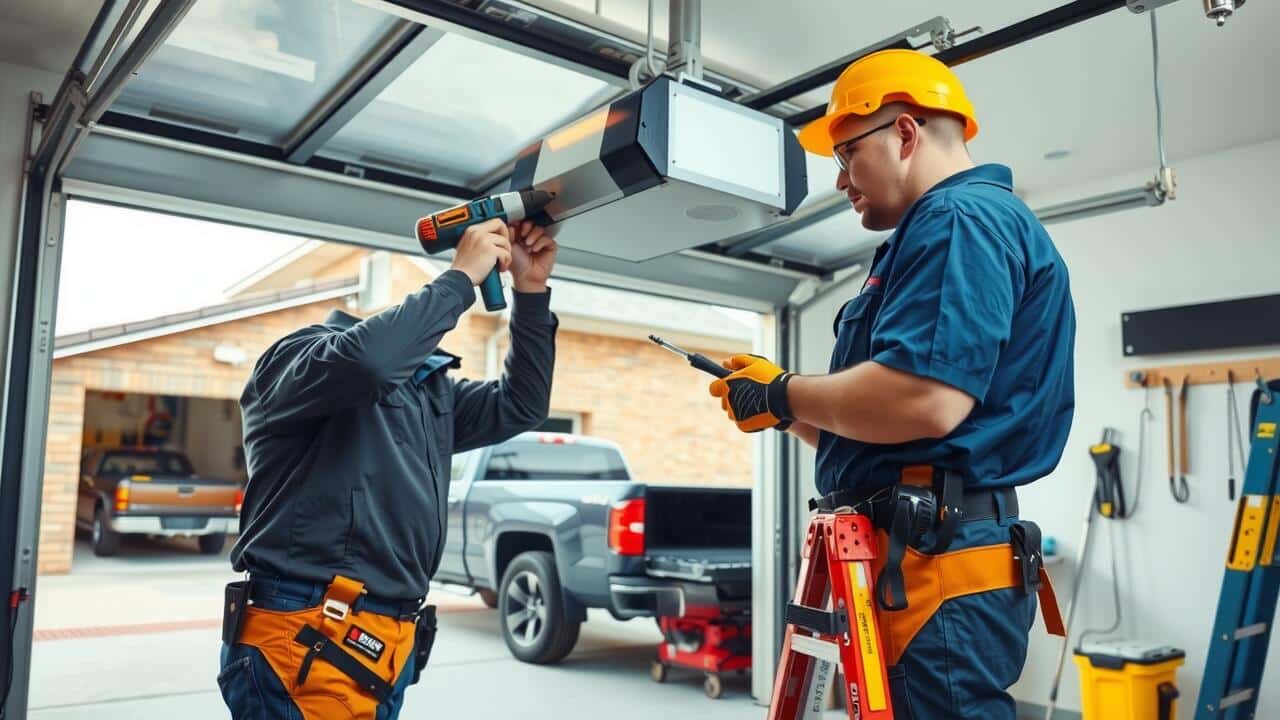
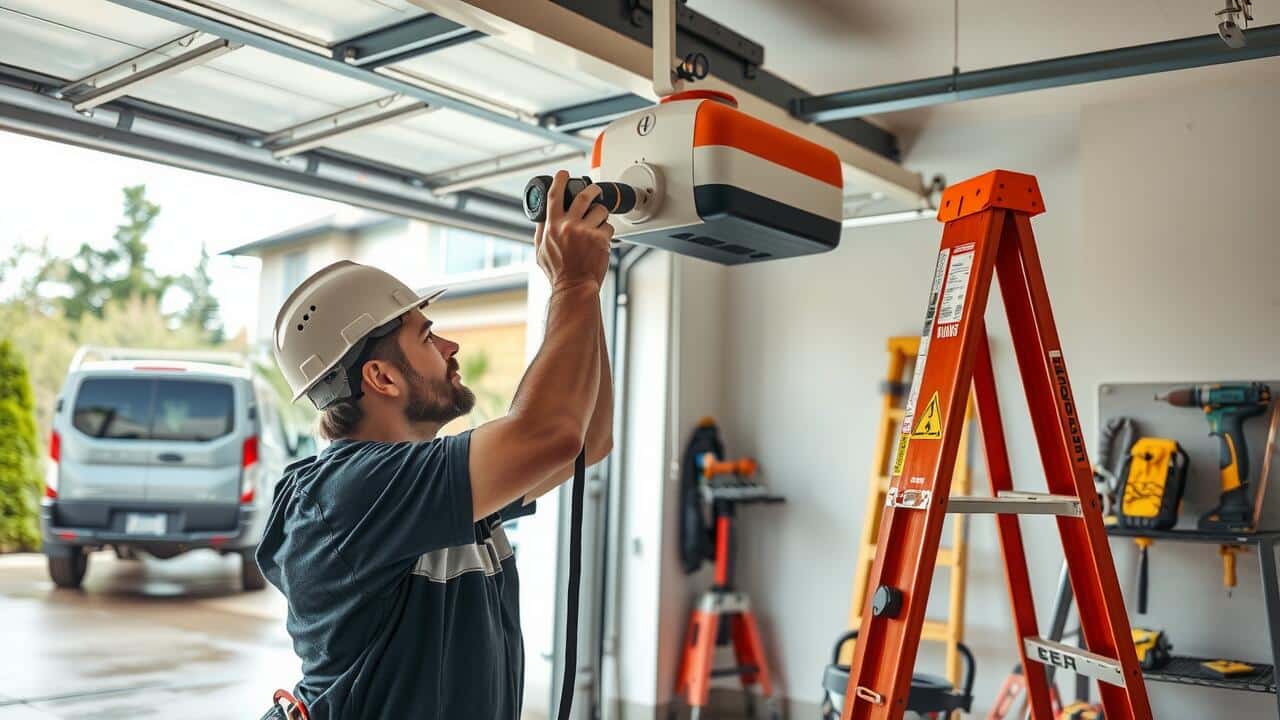
Installing a garage door opener yourself can be a rewarding and cost-effective project. Before beginning the Garage Door Opener Installation, gather all necessary tools, including a power drill, wrenches, and a level. Review the manufacturer’s instructions carefully, as they provide specific guidance on securing the opener to the garage ceiling and connecting it to the garage door. Ensuring that all components are aligned correctly is crucial for optimal performance.
Once the opener is in place, focus on the electrical connections. Properly connecting the power supply and setting up the remote features will enhance security and convenience. Test the garage door opener after the installation to confirm that it operates smoothly and reverses when encountering an obstruction. This step is essential to ensure safety and functionality for long-term use.
Step-by-Step Guide to DIY Installation
Before beginning your garage door opener installation, ensure you have all necessary tools and equipment ready. Start by reading the manufacturer’s instructions thoroughly, as each model may have specific requirements. Make sure to gather tools such as a power drill, wrenches, a level, and a ladder. Ensure the garage area is clear and accessible to facilitate the installation process.
Begin the actual installation by mounting the motor unit on the ceiling of your garage, making sure it’s centered above the door. Follow the manufacturer’s guide to secure it properly. Next, attach the rail that will connect the motor unit to the garage door. Install safety sensors according to the instructions, ensuring they are correctly positioned and aligned. Once everything is set up, connect the power supply and test the opener’s functionality before finalizing the installation.
FAQS
Do I need an electrician to install a garage door opener?
While it’s possible to install a garage door opener yourself, hiring a licensed electrician is recommended for safety, compliance with local codes, and addressing any electrical wiring concerns.
What are the local electrical codes and regulations regarding garage door openers?
Local electrical codes can vary by region, but they generally outline requirements for safe electrical installations. It’s essential to check with your local building department to ensure compliance before installation.
What are some common issues that might require professional help when installing a garage door opener?
Common issues include faulty wiring, inconsistent power supply, or complications with the garage door mechanism itself. If you encounter these problems, it may be best to consult a professional.
Can I install a garage door opener myself if I have basic electrical knowledge?
Yes, if you have basic electrical knowledge and are comfortable working with tools, you can follow a step-by-step guide for DIY installation. However, ensure that you understand the safety precautions and local regulations.
What are the benefits of hiring a professional electrician for garage door opener installation?
Hiring a professional ensures that the installation is done correctly and safely, helps avoid potential hazards, and ensures compliance with local codes and regulations, giving you peace of mind.