Table Of Contents
Testing the Garage Door After Repair
After completing any Garage Door Spring Repair, it’s essential to test the door’s functionality to ensure everything is working correctly. Begin by manually lifting the door halfway to check if it remains in place. If it does, the balance is likely appropriate. Next, use the remote or wall switch to operate the door. Watch closely for any unusual sounds or jerky movements during the opening and closing process, as these can indicate issues with the spring tension or other components.
Pay attention to the door’s responsiveness and how smoothly it operates. A properly functioning garage door should move seamlessly without any stalling. If you notice any imbalance or difficulty in opening, it might mean the springs are not adjusted correctly or require further attention. Testing the door thoroughly after a Garage Door Spring Repair can save you from potential hazards and ensure the longevity of your garage door system.
Ensuring Proper Functionality
After completing a Garage Door Spring Repair, it is essential to test the door’s functionality to ensure everything is operating as it should. Start by manually opening and closing the door a few times. Observe whether it moves smoothly along the tracks and does not get stuck or produce any unusual noises. Additionally, check for any imbalance by halting the door halfway; it should remain in place without drifting upwards or downwards. Any resistance can indicate an issue that needs attention.
Once you are satisfied with the manual operation, re-engage the garage door opener. Test it with the remote and wall switch, ensuring that the door opens and closes completely without any jerking motion. Look for any signs of excessive friction or misalignment during the process. If the door operates seamlessly, it indicates a successful Garage Door Spring Repair. If there are lingering issues, reevaluating your work or consulting a professional may be necessary.
Safety Precautions During the Repair
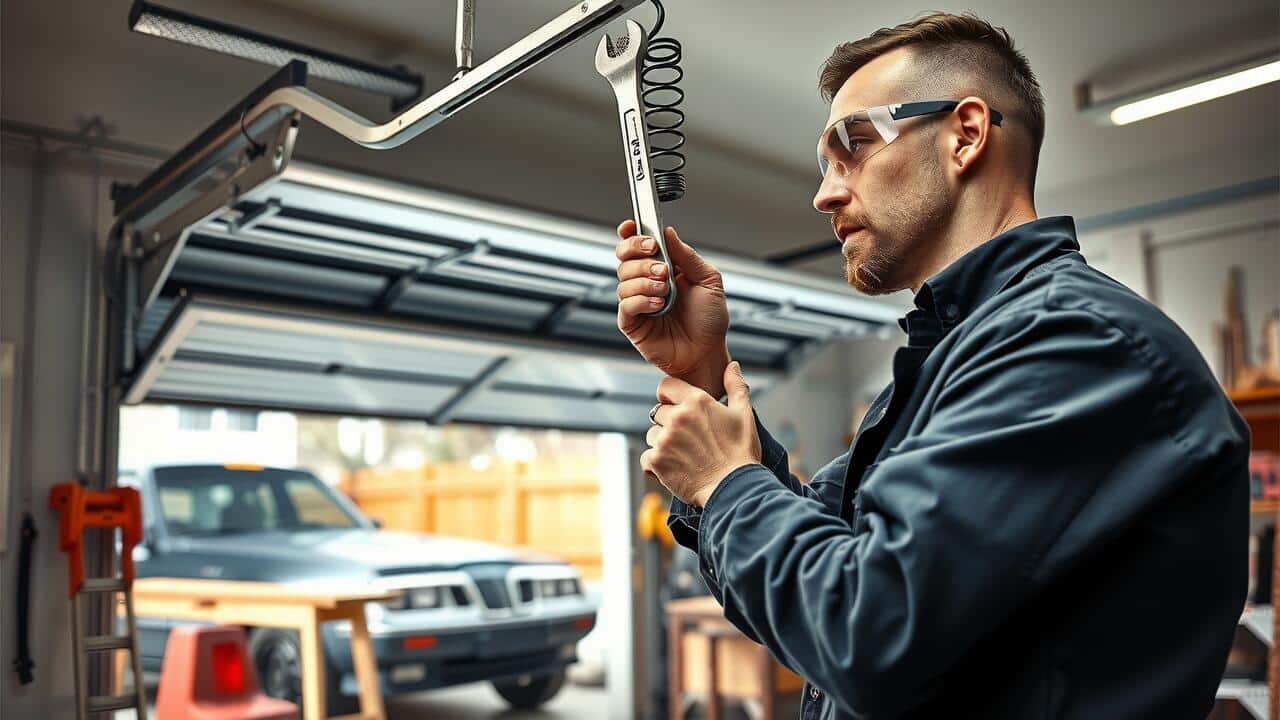
When undertaking garage door spring repair, prioritizing safety is essential. Ensure the garage door is fully closed before beginning any work. Disconnect the garage door opener from the power source to avoid accidental activation while you are repairing. Wearing safety goggles and gloves can help protect against potential injuries from any flying debris or slipping tools. Always keep your work area organized and free of clutter, which will reduce the risk of tripping or causing other accidents.
Using the right tools for garage door spring repair is equally important. A properly sized wrench or screwdriver will help prevent overexertion and accidental slips. Always use a ladder on a stable surface when working at heights, and ensure it is positioned correctly to maintain balance. If the springs seem too tight or if you feel uncertain about the repair process, it is wise to pause and reassess your plan. It’s better to take extra time than to rush and risk an injury.
Avoiding Common Hazards
When undertaking a garage door spring repair, being mindful of potential hazards is crucial. The high tension in garage door springs can lead to serious injuries if not handled correctly. Always ensure you’re using the right tools and equipment designed for this specific job. Wearing safety glasses helps protect your eyes from flying debris during the repair process. Additionally, avoid working alone; having someone nearby can provide assistance in case of an emergency.
Before starting the repair, it’s essential to disconnect the garage door opener to prevent any accidental activation. This precaution helps eliminate the risk of the door closing unexpectedly during the repair. Make sure to identify the type of springs in your garage door, as handling torsion springs differs significantly from extension springs. Proper preparation can minimize risks and make the garage door spring repair more manageable and safer.
When to Call a Professional
Sometimes, DIY repairs are not the best option when it comes to garage door spring repair. If you lack experience or feel uncertain about your ability to perform the task safely, seeking professional help may be the best course of action. Springs are under significant tension, and improper handling can lead to personal injury or further damage to the garage door system. Professionals have the right tools and training to manage these complex repairs effectively.
Additionally, certain signs indicate the need for professional intervention. If the garage door does not open or close evenly, if it makes unusual noises, or if you notice visible damage to the springs, it may be time to call in a specialist. Ignoring these issues could result in more extensive repairs and increased costs down the line. Trusting a qualified technician ensures that garage door spring repair is handled correctly and efficiently.
Signs You Should Seek Help
Recognizing when to call a professional is crucial for ensuring safety during garage door spring repair. If you notice that the garage door is uneven or making unusual noises, these could indicate underlying issues beyond a simple spring problem. Additionally, if the door fails to open or close properly even after your attempts to adjust or fix it, it may be time to seek expert help.
Another sign that professional assistance is needed includes visible wear or damage to the springs themselves. If you notice rust, breaks, or significant stretching, attempting to repair these without expertise can lead to further complications. Garage door spring repair involves tension that can be hazardous, making it essential to have a trained technician handle the job if you feel uncertain about the repair process.
FAQS
Can I really fix a garage door spring myself?
While some homeowners may be able to replace a garage door spring with the right tools and knowledge, it is often risky due to the tension and potential hazards involved.
What safety precautions should I take when repairing a garage door spring?
Always disconnect the power to the garage door opener, wear safety glasses, and take care when handling the spring as it is under high tension.
How can I tell if my garage door spring is broken?
Common signs of a broken garage door spring include the door not opening or closing evenly, loud noises when operating, or the door feeling unusually heavy.
What are some common hazards I should avoid when fixing a garage door spring?
Avoid standing directly under the door while it is in motion, do not attempt to remove the spring without proper tools or knowledge, and be cautious of potential pinch points.
When should I call a professional instead of attempting to fix the spring myself?
If you notice signs of damage to the spring, if the door is not functioning properly, or if you are uncomfortable with the repair process, it’s best to call a professional for assistance.
